Find Textile Yarn Hydro Extractor for dyeing, spinning, and finishing
Explore 30 listings for the Textile Yarn Hydro Extractor designed for dyeing, spinning, and finishing processes. Buyers can compare specifications such as motor power, drum material, and automation levels to select the right equipment for their production needs.
Key considerations
Products List


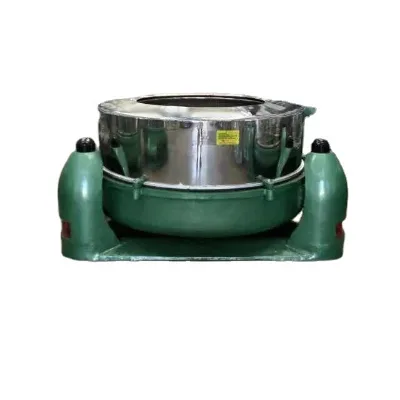
550kg Pneumatic Lifting Hydro Extractor with Speed Controller for Textile Dyeing Plant
$1000.00 - $10000.00
MOQ: 1 Pieces

Pneumatic Lifting Hydro Extractor with Speed Controller for Textile Dyeing Plant
$1000.00 - $10000.00
MOQ: 1 Pieces


Feilong Stainless Steel Hydro Extractor Ss75 for Textile Yarn Fabric
$1500.00 - $1580.00
MOQ: 1 Pieces

$5000.00 - $30000.00
MOQ: 1 Pieces


$500.00 - $20000.00
MOQ: 1 Pieces




Comprehensive Sourcing Guide
Strategic Sourcing Guide for Textile Yarn Hydro Extractors
Understanding Core Technical Specifications and Variants
The Textile Yarn Hydro Extractor, often categorized as a spinning production line or dewatering equipment, is a critical asset in the textile manufacturing value chain. When evaluating these machines, buyers must first distinguish between the specific operational mechanisms and structural designs observed in the market. The primary function involves the rapid removal of moisture from yarn or fabric batches using centrifugal force. A critical technical differentiator is the drive system; some units utilize a belt-driven configuration for the drum, while others employ direct motor drive systems. The direct drive method often implies a more compact footprint and potentially higher torque transmission efficiency, whereas belt-driven models may offer specific maintenance advantages depending on the application.
The construction materials are paramount for longevity in a wet, chemical-intensive environment. High-quality units feature an inner drum and housing constructed from Stainless Steel SS304. This material choice is essential to prevent corrosion and ensure the machine remains hygienic during repeated wash cycles. The outer housing material is also frequently specified as stainless steel, providing structural integrity and resistance to the harsh conditions of a textile mill. The drum basket itself must be robust, often described as stainless steel, to withstand the high rotational speeds required for effective dewatering.
Operational parameters vary significantly across different models, necessitating a careful review of the specific product data. For instance, dewatering speeds can reach up to 720rpm, a figure that directly correlates with the efficiency of water removal. Motor power ratings are another critical specification, with observed configurations ranging from 5.5kw to 11kw depending on the load capacity and model size. Voltage requirements are typically standardized at 380V for industrial three-phase power, though this must be verified against local grid standards. The installation method is another variable; some units are designed as freestanding machines, while others require hard-mounted, fixed installations to ensure stability during high-speed rotation.
| Feature Category | Observation A | Observation B | Observation C |
|---|---|---|---|
| Drum Drive | Belt Driven | Motor Directly | Variable |
| Inner Drum | SS304 Stainless Steel | Stainless Steel | SS304 |
| Motor Power | 5.5kw | 11kw | Variable |
| Dewatering Speed | 720rpm | Variable | Variable |
| Door Control | Pneumatic Controlled | Manual | Variable |
| Installation | Freestanding | Hard Mounted | Variable |
| Voltage | 380V | Variable | Variable |
Compliance, Certification, and Standard Verification
In the global textile machinery market, compliance with international standards is not merely a formality but a prerequisite for operational safety and quality assurance. The supply chain for these hydro extractors often references specific certifications such as CE and ISO9001. The CE marking indicates conformity with health, safety, and environmental protection standards for products sold within the European Economic Area, while ISO9001 certification suggests that the manufacturer adheres to a quality management system. However, buyers must treat these as observations of specific listings rather than universal guarantees for every unit. It is imperative to verify that the specific model being purchased carries the valid certification documentation.
Product standards often depend on the capacity of the machine. While some listings explicitly state ISO9001 as the production standard, others note that standards "depend on the capacity." This variability requires the buyer to request explicit confirmation of the standard applicable to the specific order. The origin of the machinery is frequently cited as China, a major hub for textile equipment manufacturing. When sourcing from this region, the verification of the "Made in China" origin and the associated quality control processes becomes a critical step. The production process itself is identified as spinning equipment, which aligns with the broader category of textile machinery.
Electrical components are another area where compliance and quality intersect. Specific listings mention the use of Schneider electric parts, a recognized brand known for reliability in industrial automation. The presence of such components can be a positive indicator of the machine's electrical safety and longevity. However, buyers should not assume that all units include these specific parts without explicit confirmation in the purchase agreement. The warranty period is also a key compliance metric, with observed ranges spanning from 1 year to 24 months. This discrepancy highlights the need for clear contractual terms regarding warranty coverage, scope, and duration before finalizing any procurement.
Cost Drivers and Pricing Structure Analysis
The pricing of textile yarn hydro extractors is influenced by a complex interplay of factors, including motor power, material quality, automation level, and customization requirements. The observed price range in the market is substantial, spanning from 100 USD to 55,000 USD. This wide variance reflects the difference between basic, smaller-scale units and large, fully automated production lines. The lower end of the spectrum likely corresponds to simpler models with lower motor power and standard configurations, while the higher end encompasses advanced systems with customizations, higher load capacities, and premium electrical components.
Motor power is a significant cost driver. Units with 11kw motors will inherently cost more than those with 5.5kw motors due to the increased material and engineering required to support higher energy consumption and torque. Similarly, the use of SS304 stainless steel for both the inner drum and the housing adds to the material cost compared to alternative alloys or coatings. Automation is another critical factor; machines labeled as "Automatic Grade" or featuring "Speed Adjustable" capabilities command a premium over manual or semi-automatic models. The availability of customization options, such as adding extra covers or inverter controls to reduce start current, also contributes to the final price.
The packaging method, typically wooden cases or wooden cartons, adds a layer of cost that is often overlooked but essential for international shipping. The net weight of the machine, which can be as high as 1600kg for certain models, directly impacts shipping logistics and freight costs. Buyers must factor in these logistical expenses when calculating the total cost of ownership. Furthermore, the load capacity, often specified as less than 500kg for certain models, influences the price. Larger capacity machines require more robust engineering and larger motors, driving up the cost. The "Customerized" nature of the machine capacity means that pricing is often negotiated on a case-by-case basis, requiring detailed specification sheets to generate accurate quotes.
Typical Applications and Operational Capabilities
Textile yarn hydro extractors are primarily designed for the textile industry, serving as essential equipment in the post-dyeing and post-washing stages of production. Their core function is to remove excess moisture from yarn, fabric, or other textile materials efficiently. The dewatering time for these machines is typically reported as 5-7 minutes per batch, a metric that is crucial for production planning and throughput calculations. This efficiency allows manufacturers to maintain high production rates without significant bottlenecks in the drying or finishing stages.
The machines are versatile enough to handle various textile products, with applications ranging from yarn processing to fabric treatment. The "Use" category is explicitly listed as "Textile," confirming their specialized role in this sector. The door opening mechanism, often pneumatic controlled, facilitates the loading and unloading of materials, enhancing operational safety and ease of use. The ability to adjust the speed is a valuable feature, allowing operators to optimize the dewatering process based on the specific material type and moisture content. This flexibility ensures that the machine can be adapted to different production requirements without the need for hardware changes.
Installation flexibility is another key aspect of their application. Whether the machine is installed as a freestanding unit or hard-mounted to a foundation, it must be integrated into the existing production line. The machine height is often dependent on the dyeing carrier height, indicating that these units are designed to work in conjunction with other textile machinery. The load capacity, typically under 500kg, defines the scale of operation for which the machine is suitable. For larger production volumes, multiple units or higher capacity models may be required. The dewatering speed of 720rpm is a standard benchmark for effective moisture removal, ensuring that the textile materials are sufficiently dry before proceeding to the next stage of processing.
Supplier Evaluation and Quality Assurance Protocols
Evaluating suppliers for textile yarn hydro extractors requires a rigorous approach to quality assurance and supplier reliability. The first step is to verify the authenticity of the certifications mentioned, such as CE and ISO9001. Buyers should request copies of these certificates and cross-reference them with the issuing bodies to ensure they are current and valid. The warranty period is a strong indicator of supplier confidence; a 24-month warranty suggests a higher level of trust in the product's durability compared to a 1-year warranty. However, the terms of the warranty must be clearly defined, including what is covered and what constitutes a valid claim.
The production process and origin of the machine are also critical evaluation points. Machines produced in China, as indicated by many listings, offer a competitive advantage in terms of cost but require careful vetting of the manufacturing facility. Buyers should inquire about the specific production standards and quality control measures implemented by the supplier. The use of high-quality components, such as Schneider electric parts, is a positive sign, but it should be confirmed in the technical specifications. The packing method, typically wooden cases, should be inspected to ensure it meets international shipping standards to prevent damage during transit.
Quality control should extend beyond the initial purchase to include post-delivery inspection. Buyers should verify the net weight, dimensions, and model specifications against the purchase order. For example, a model with a net weight of 1600kg and dimensions of 2050×2050mm must match the delivered unit exactly. The year of manufacture, such as 2016 in some listings, should be considered when evaluating the technology level and potential obsolescence. Suppliers should provide detailed documentation, including operation manuals, maintenance guides, and parts lists, to ensure the buyer can maintain the machine effectively. The ability to add extra features, such as inverter controls or covers, should be confirmed as a standard option or a custom service.
Long-Term Procurement and Maintenance Considerations
Sourcing a Textile Yarn Hydro Extractor is a long-term investment that requires careful consideration of maintenance, spare parts availability, and operational longevity. The warranty period, whether 1 year or 24 months, is a starting point for understanding the supplier's commitment to product quality. However, buyers must plan for the period beyond the warranty to ensure continued operational efficiency. The availability of spare parts, particularly for critical components like the motor, drum, and electrical systems, is essential. The use of standardized components, such as those from Schneider, can simplify the procurement of replacement parts.
Maintenance requirements should be clearly outlined in the operation manual. The dewatering speed, motor power, and installation method all influence the maintenance schedule. For instance, belt-driven models may require periodic belt tension checks and replacements, while direct motor drive systems may have different maintenance needs. The pneumatic door control system also requires regular inspection to ensure proper functioning. The "Speed Adjustable" feature adds complexity to the maintenance process, requiring skilled technicians to calibrate and adjust the settings as needed.
The customization options available, such as the ability to add extra covers or inverter controls, can impact long-term maintenance. These additions should be integrated into the maintenance plan to ensure they do not interfere with the machine's operation. The "Automatic Grade" of the machine suggests a higher level of automation, which may require specialized training for operators and maintenance staff. The production process, identified as spinning equipment, implies that the machine is part of a larger system, and its integration must be seamless to avoid production disruptions.
In conclusion, the procurement of textile yarn hydro extractors involves a detailed analysis of technical specifications, compliance standards, cost drivers, and supplier reliability. By carefully evaluating these factors, buyers can make informed decisions that ensure the acquisition of high-quality, reliable equipment suitable for their specific textile production needs. The wide range of available models and configurations offers flexibility, but it also requires a disciplined approach to selection and verification to avoid potential pitfalls.
FAQs
What certifications do textile yarn hydro extractors typically have?
Many units carry CE and ISO9001 certifications for safety and quality management. Buyers must verify that the specific model holds valid documentation, as standards may depend on capacity and not every listing guarantees universal compliance.
How is the drum driven in these extraction machines?
Drive systems vary between belt-driven configurations and direct motor drive methods. Belt-driven models may offer maintenance advantages, while direct drive systems often provide higher torque efficiency and a more compact footprint for industrial use.
Which materials are used for the inner drum and housing?
High-quality units feature inner drums and housings constructed from Stainless Steel SS304. This material choice prevents corrosion and ensures hygiene during repeated wash cycles in the harsh, chemical-intensive environment of textile mills.
Can the dewatering speed be adjusted on these machines?
Yes, the speed is adjustable to optimize the dewatering process based on material type. Some models reach up to 720rpm, allowing operators to control moisture removal efficiency without needing hardware changes for different production requirements.
What is the typical warranty period for this equipment?
Warranty periods observed in the market range from 1 year to 24 months. Buyers should clarify the specific terms, scope, and duration in the contract, as the coverage depends on the supplier and the specific model purchased.
How much does a Textile Yarn Hydro Extractor cost?
Prices range widely from 100 USD to 55,000 USD depending on specifications. Costs are driven by motor power, material quality like SS304, automation levels, and customization options such as inverter controls or extra covers.
What is the standard voltage requirement for these machines?
Industrial units typically require 380V for three-phase power operation. This standard must be verified against local grid capabilities, as incorrect voltage can lead to operational failures or damage to the electrical components.